
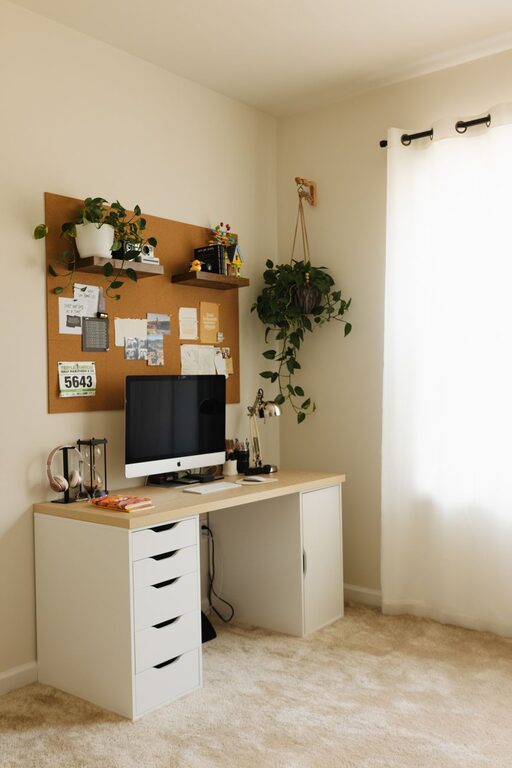
Creating a home workspace that is both cozy and functional can make a big difference in your daily productivity and overall comfort. Whether you work remotely, study, or simply need a dedicated area for personal projects, having a well-designed space can help you stay focused while feeling relaxed. Here are some practical tips to help you set up a home workspace that fits your needs.
Choose the Right Location
The first step is to find a spot in your home that works well for your activities. Ideally, this space should have:
– Good natural light: Position your desk near a window if possible. Natural light improves mood and reduces eye strain.
– Minimal distractions: Choose a quiet area away from noisy rooms, TV, or foot traffic to maintain concentration.
– Adequate space: Ensure there’s enough room to accommodate your computer, paperwork, and any tools you use frequently.
If dedicating an entire room isn’t an option, consider creative alternatives like a corner in the living room or a nook in your bedroom.
Invest in Comfortable Furniture
Comfort is key for long hours spent working at home. Here’s what to focus on:
– Ergonomic chair: Select a chair with adjustable height and lumbar support to keep your back healthy.
– Proper desk height: Aim for a desk height that allows your elbows to rest at a 90-degree angle when typing.
– Foot support: Use a footrest if your feet don’t touch the floor comfortably.
Ergonomics not only prevents discomfort but also helps you maintain good posture, reducing fatigue throughout the day.
Personalize Your Space
Make your workspace inviting by adding personal touches that inspire you:
– Decor: Use artwork, photos, or plants to brighten the area.
– Colors: Soft, warm tones can create a cozy vibe, while bright colors might boost energy.
– Lighting: Aside from natural light, include task lighting like desk lamps with adjustable brightness.
Personalizing your space will make it a place you look forward to spending time in.
Organize for Efficiency
Clutter can be distracting and stressful. Keep your workspace tidy with these organization tips:
– Storage solutions: Use drawers, shelves, or containers to store supplies neatly.
– Cable management: Use clips or sleeves to keep cords untangled and out of sight.
– Daily clean-up: Spend a few minutes each day clearing your desk to maintain order.
Organizing your tools and materials will save time and create a smoother workflow.
Set Up Technology Thoughtfully
Having the right technology setup supports both comfort and productivity.
– Monitor placement: Position your screen at eye level to reduce neck strain.
– Keyboard and mouse: Choose devices that feel comfortable for extended use.
– Reliable internet: Ensure you have a strong connection to avoid interruptions.
Investing in quality tech helps reduce frustration and allows you to focus on your work.
Manage Noise Levels
Noise can be a big distraction or stressor for many people. Consider the following:
– Noise-canceling headphones: These can block out background sounds effectively.
– Soft background music: Some find gentle music or white noise helps concentration.
– Soundproofing: Adding rugs, curtains, or foam panels can reduce echo and external noise.
Controlling sound helps create a peaceful environment where you can focus better.
Take Breaks and Move Around
Even in a cozy, functional workspace, sitting for too long isn’t healthy.
– Set timers: Use reminders to stand up, stretch, or take short walks every hour.
– Designate a break area: If possible, have a different spot where you can relax for a few minutes.
Regular movement reduces fatigue and supports better focus when you return to work.
Add Plants and Natural Elements
Bringing nature indoors has many benefits:
– Air quality: Plants can help purify the air.
– Visual relief: Greenery adds calming color and helps reduce eye strain.
– Mood boost: Being around plants promotes relaxation and creativity.
Choose low-maintenance plants suited to indoor conditions, like succulents or spider plants, to keep care simple.
Use Scents to Enhance Comfort
A subtle scent can improve your workspace ambiance:
– Essential oils: Scents like lavender or peppermint can relax or energize you.
– Candles: Choose unscented or lightly scented options to avoid overwhelming fragrances.
Make sure scents are gentle to avoid irritation, especially in shared spaces.
Final Thoughts
Creating a workspace that feels cozy and is tailored to your needs can enhance your daily routine at home. By focusing on comfort, organization, lighting, and personal touches, you can build an environment where productivity and relaxation coexist. Take your time to find what works best for you and enjoy the benefits of a thoughtfully designed home workspace.